

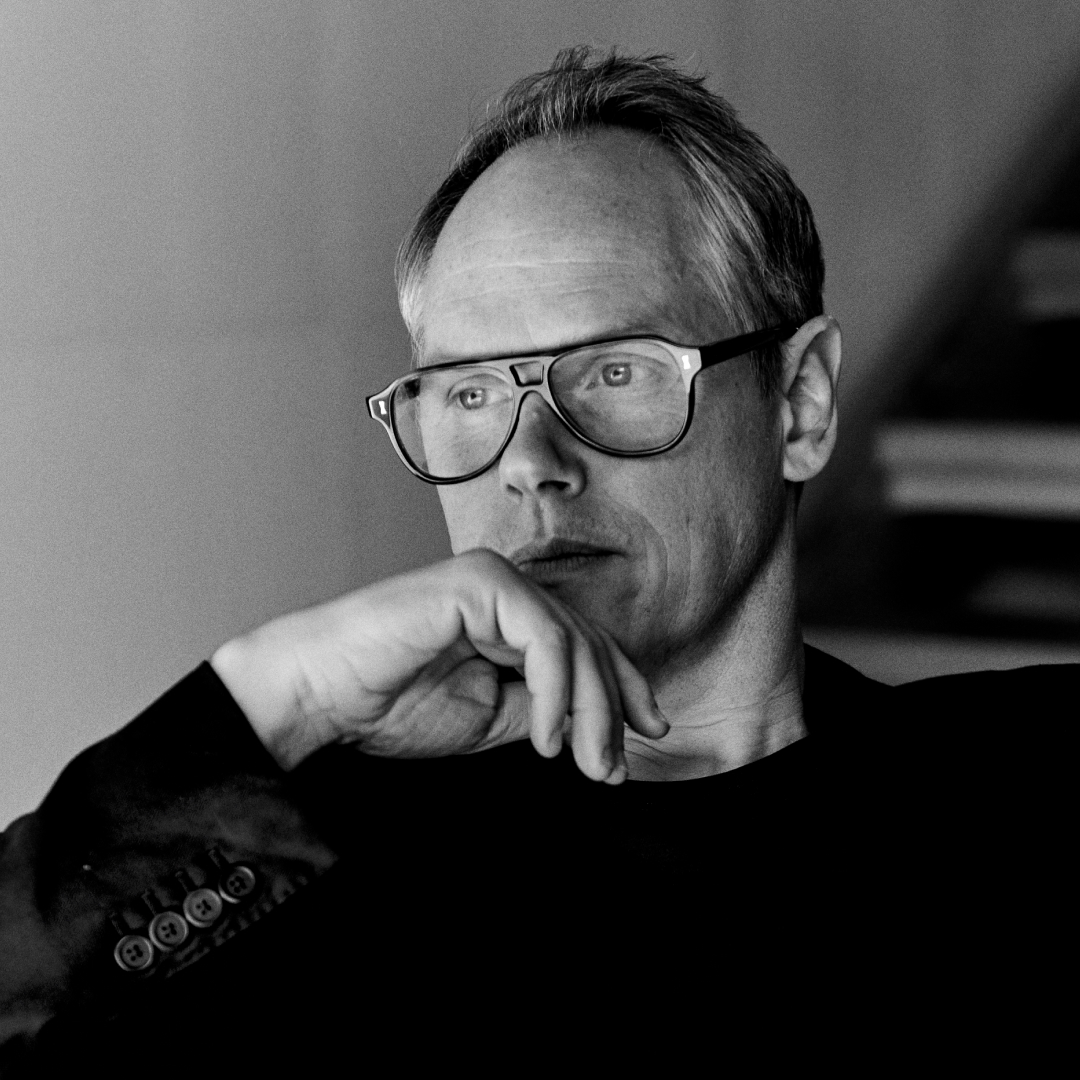
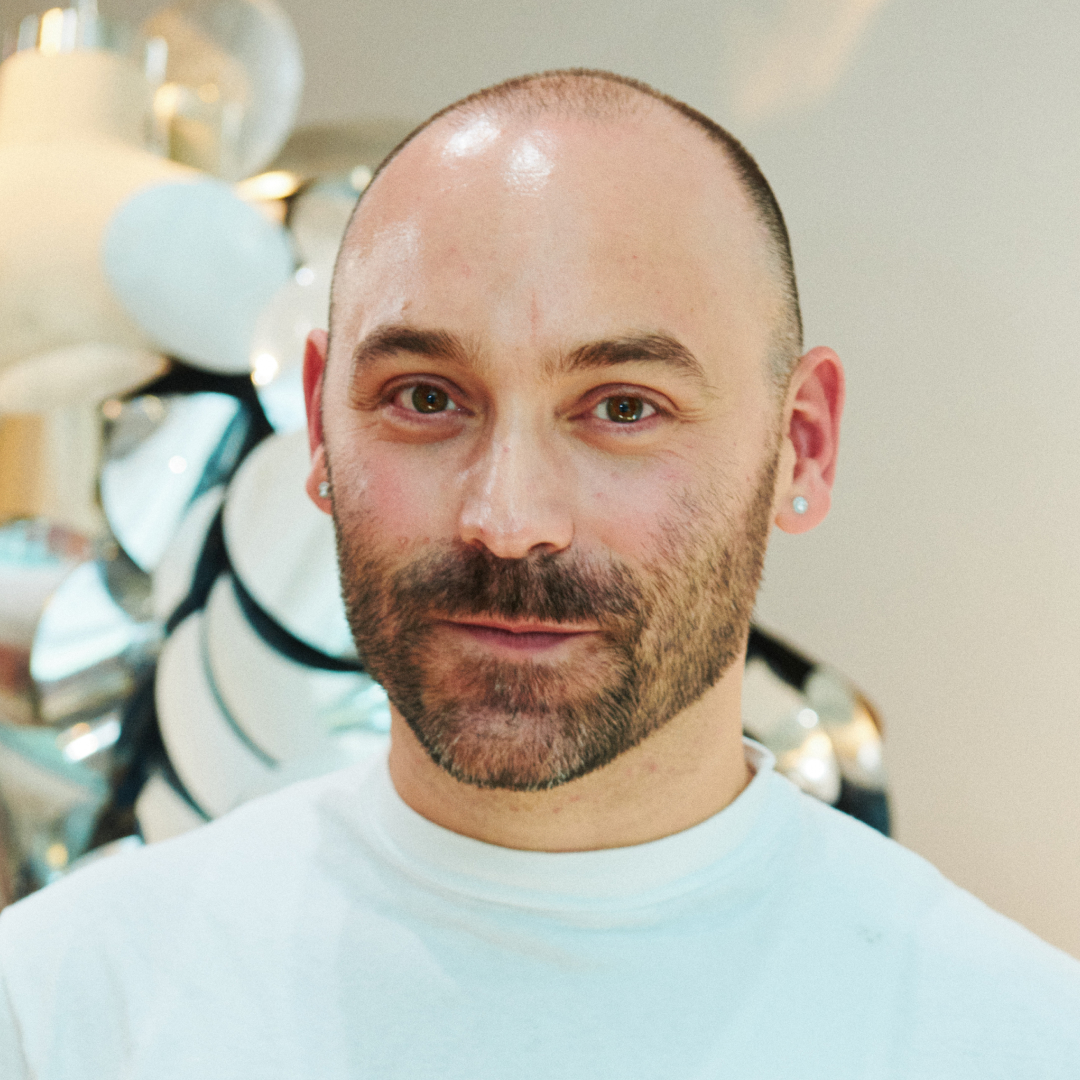
Asad Syrkett on Interiors, Identity, and the Human Touch


Show Notes
Summary
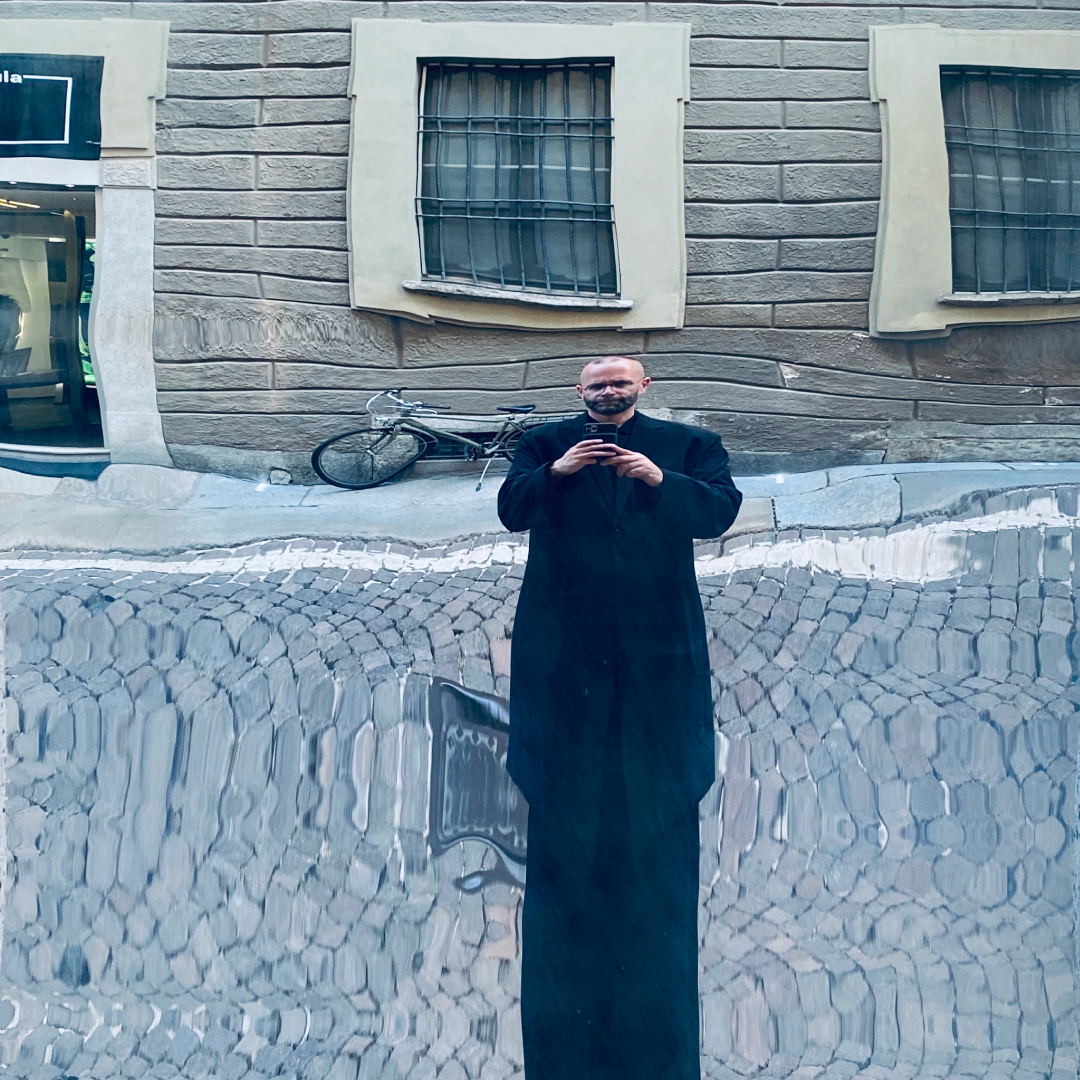
Asad Syrkett joins What’s Contemporary Now? for a wide-ranging conversation about design as a cultural language and the quiet ways environments shape identity, memory, and access. From a childhood spent moving through New York City’s homes, department stores, and streets, to a new chapter living and working in Milan, he reflects on how early encounters with the built world formed a lifelong curiosity long before he had the vocabulary of architecture or interiors.
Grounded in his background in architectural history and editorial leadership, Asad speaks to why design is never neutral, how interiors hold narrative and emotional weight, and why aspiration today feels less about status than self-knowledge. As attention splinters and taste is increasingly mediated by screens rather than experience, the conversation returns to what endures: craft, context, and the human touch as the most contemporary forces shaping how we live now.
“If you like it, I love it. I’d rather a space reflect real engagement with the self than something copied from Instagram.” - Asad Syrkett
Episode Highlights
- Living in Milan versus passing through it
Asad reflects on the shift from visiting Milan for work to truly living there, and how permanence deepens relationships, curiosity, and cultural exchange beyond the churn of Salone and design week. - A childhood shaped by environments, not fashion
Growing up in Harlem and New York City, Asad became attuned early to how homes, retail spaces, and objects reflect identity, class, and aspiration, long before he had the language for design. - The built world is never neutral
From department stores to shop windows, he describes how cities teach us, early on, that design encodes power, values, and social difference. - Curiosity as a lifelong engine
Raised by a family deeply invested in culture, music, books, and dance, Asad traces how being encouraged to ask questions shaped his editorial and intellectual instincts. - Why architectural history unlocked everything
Studying architectural history at Columbia gave him context and language for instincts formed in childhood, connecting design to authority, religion, economics, and social structures. - A career guided by sustainability of curiosity
Moving between journalism, design studios, digital media, and business wasn’t about restlessness, but about building an intellectually sustainable life around design. - Context over aesthetics
As an editor, Asad emphasizes that interiors don’t exist in a vacuum, they are social, political, and emotional artifacts shaped by history, access, and intention. - Access versus upward mobility
He challenges the idea that design is about “upward mobility,” reframing it instead as access, self-knowledge, and environments that reflect inner growth rather than status alone. - Italy as a culture of makers
Living in Milan has sharpened his appreciation for Italian design’s deep respect for craft, family-run production, and material knowledge passed down through generations. - What’s contemporary now: the human touch
In a digital, accelerated world, Asad argues that the most contemporary thing is work shaped by human skill, physical effort, and deep commitment to craft, things technology cannot replicate.
Notable Quotes:
“Moving your life to a new country is bureaucracy, yes, but it’s also finally engaging with a place beyond the cursory interactions of being a visitor.”
“As a visitor, those connections are lovely. Living here, they start to feel like real friendships, outside the whirlwind.”
“I always knew design was something I was interested in before I had the language for it.”
“For me, fashion wasn’t the playground for self-expression. My environment was.”
“The kinds of stories people told about themselves through their spaces became really interesting to me.”
“New York forces you into engagement with people of completely different socioeconomic backgrounds, and you register that difference everywhere.”
“I thought I wanted to be an architect, but architectural history gave me the context and language for what I was already sensing.”
“It’s not upward mobility. It’s access. What you decide you want in your life, and whether you have access to those things.”
“If you like it, I love it. I’d rather a space reflect real engagement with the self than something copied from Instagram.”
“What’s contemporary now is the human touch, the things that are so evidently the product of someone’s skill and craft.”


Related Episodes



































Contact Us


