
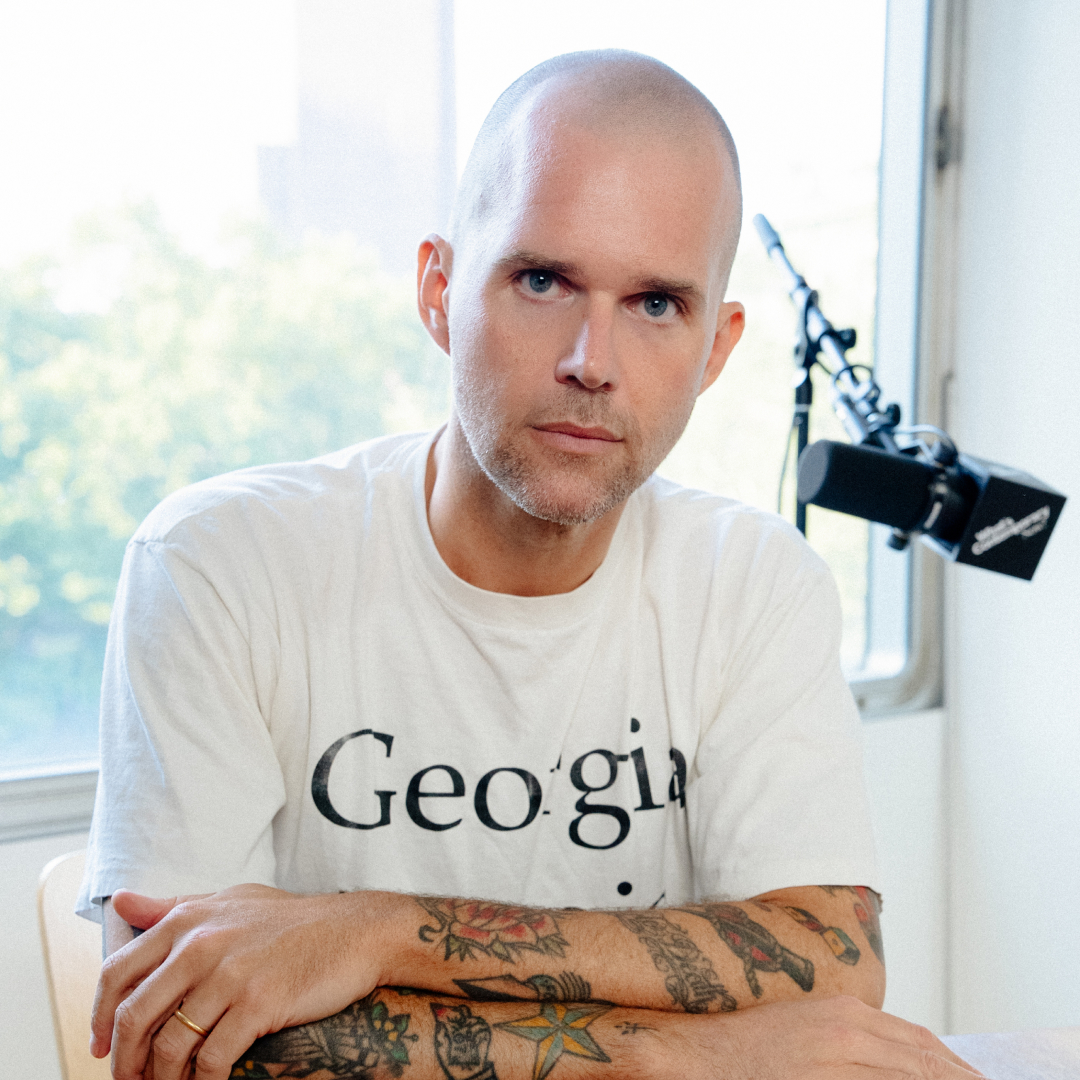
Why Media Still Needs Gatekeeping with Chris Black


Show Notes
Summary
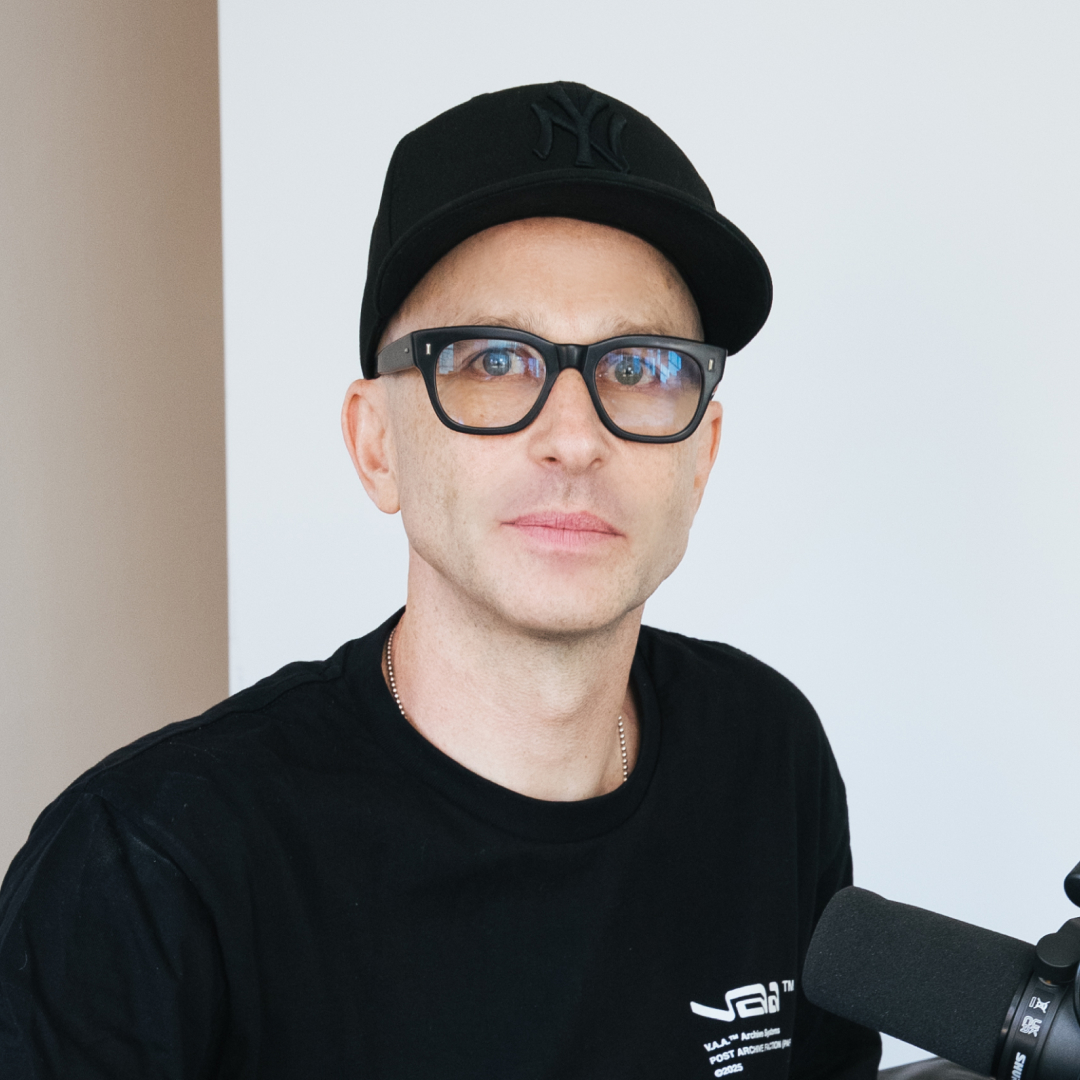
Chris Black has made a career out of having opinions, trusting his instincts, and finding ways to turn his interests into a living. Best known as one half of the podcast How Long Gone, he has also built a career as a creative consultant and entrepreneur, most recently with his American-made clothing brand, Hanover. But working independently isn't quite the carefree proposition it can look like from the outside, and Chris is refreshingly candid about the uncertainty, discipline, and stomach for money it requires.
In this conversation, we get into his reverence for legacy media and why he still believes in the value of gatekeepers and specialists in an increasingly generalist culture. We also talk about the late Glenn O'Brien as a model for making a living across creative worlds, the disappearance of sellout culture, and what it means that everyone has become a creator. It's an entertaining, opinionated conversation about independence, ambition, media, and the cultural habits we may be ready to leave behind.
“Everyone wants to quit their job. I see people with these jobs and I'm like, bro, you're making 300 grand a year and it doesn't seem like you have to do that much. Like, just do that. [...] There's no reason to throw that away unless it's really teed up for you.” – Chris Black
Episode Highlights
- 00:00 | Intro
- 00:45–03:22 | Discovering Punk, Hardcore and the DIY Ethos That Shaped His Career
- 01:45–03:22 | Why Everyone Should Work in a Store at Some Point
- 03:22–03:51 | The Financial Realities of Working for Yourself
- 07:49–09:31 | The Stomach for Money and the Realities of Consulting
- 09:31–10:20 | The Freedom of Working Independently Versus the Security of a Salary
- 10:20–12:19 | In Defence of Gatekeepers and the Value of Editorial Curation
- 11:20–12:19 | Everyone Is a Generalist, So Where Have All the Specialists Gone?
- 16:17–17:39 | Glenn O’Brien and the Art of Doing Whatever You Want
- 17:48–18:44 | Has Sellout Culture Become a Thing of the Past?
- 20:40–21:29 | Why Getting High on Your Own Supply Is the Beginning of the End
- 21:19–22:42 | The Secret to How Long Gone Is Simply Showing Up
- 24:40–26:24 | How Celebrity Culture Changed the Podcasting Business
- 26:24–27:40 | Why Being Surprised Is the Best Part of Having a Podcast
- 29:29–31:37 | Letting Go of the Legacy Media Dream and Embracing YouTube
- 39:25–39:58 | Sobriety as a Natural Ending Point
- 40:09–42:15 | Why Chris Black Started Hanover and the Case for a Baseline American Wardrobe
- 47:44–49:12 | The New Luxury Is Being Able to Disconnect
- 48:46–50:10 | The Problem With Optimising Every Second of Your Life
- 49:12–50:10 | Does Botox Fill the Black Hole in Your Heart?
- 50:17–51:19 | We're All Thinking About Ourselves Too Much
Notable Quotes:
- On the DIY Ethos That Shaped His Creative Career “Hardcore, and especially the ethos, are very DIY. That's the whole point. So, booking shows, playing in bands, making zines, putting out records, all of that stuff was kind of done by my contemporaries and friends and peers. It taught you, whether you realized it or not, that all of that was possible, long before it was a thought to monetize it.”
- On Why Everyone Should Work in a Store at Some Point “That was a lot of my formative education on how to deal with people. I say all the time, every person should either work in a restaurant or a bar or work in a store. I think that's how you really learn to interact with people.”
- On the Realities of Working for Yourself “When you work for yourself, it's sort of like feast or famine. I'm always ready for it to disappear. For better or worse, I think my wife keeps me on the rails, which is necessary. You can't have two wild boys in the relationship.”
- On the Stomach for Money and the Realities of Consulting “Consulting, working for yourself, I always say that it's about the stomach for money. Like, do you have the stomach to be like, this could all go away tomorrow? Because it will, over and over and over. And you have to recalibrate every time that happens.”
- On the Romanticisation of Working Independently “Everyone wants to quit their job. I see people with these jobs and I'm like, bro, you're making 300 grand a year and it doesn't seem like you have to do that much. Like, just do that. [...] There's no reason to throw that away unless it's really teed up for you.”
- On Why He Has No Interest in Giving Up His Independence “I've put in too much work and it's too fun and I get too much gratification out of it. I can't just give that up. I'll find a way to make money. I'm not that worried about that.”
- On the Enduring Value of Legacy Media “I think that I have a reverence for legacy media, because that's the only reason I'm here doing what I'm doing. [...] You don't just shake that.”
- On Why Editorial Gatekeeping Still Matters “I think gatekeeping is just like, I don't know everything. I would rather there are people that have dedicated their lives to things that I will never know. I would rather them tell me what to like than me have to go search it out and find it, because I never could.”
- On the Disappearance of Specialists “Everybody, and me included, everybody is a generalist. It's like, well, where are the specialists? Because that is important, and I'm part of the problem. But at least I'm aware of it.”
- On What Makes a Great Editor and Media Voice “If you can combine great pictures and great covers with real journalism, people still want that. They might consume it differently, but they still want it. And I think that we have to feed that beast if the appetite is there.”
- On Glenn O'Brien and the Art of Doing Whatever You Want “He did whatever he wanted and it worked. And he would find people to do it with him and people to pay him for it.”
- On Creative Fulfilment and Making Money “I want to do stuff that's creative that fulfills me. But I also want to make money. [...] He had all of that. He had a house in Connecticut, he had an art collection. And I was like, that's cool. That's what I want to do.”
- On the Demise of Sellout Culture “That's the thing I think that has changed the most, is like, sellout culture doesn't exist. [...] I think that line is completely obliterated. Actors launching lines of ketchup and shit. [...] I think the whole landscape has changed because now everyone's a creator.”
- On the Instagram Fantasy of Working for Yourself “People see other people doing it on Instagram and they want to do it too. I think that didn't exist before, and obviously the version you're seeing on Instagram isn't realistic. [...] I think it's been glorified.”
- On the Importance of Staying Humble “Once you start getting high on your own supply, that's the beginning of the end. [...] Ego attached to some of this stuff will just ruin you. And I'm just not impressed with myself. I'm really not.”
- On the Secret to Building How Long Gone “I think what I can do is show up. Like you said, it's consistency. And if that gets me ahead of somebody else, then so be it.”
- On the Discipline Behind How Long Gone “No matter where in the world we are or what's going on, we're going to get it done. I've recorded How Long Gone in a car, in the Delta Lounge, in a hotel lobby, all over the globe. [...] We locked ourselves into this schedule.”
- On What Makes a Good Podcast Conversation “We just want to talk. We just want to kind of have fun. [...] We just want to make what we want to listen to, selfishly. Hopefully that works out on a wider scale.”
- On the New Luxury of Disconnecting “I really do think young people are burning out on the so-online of everything. [...] I think magazines and books will be the same thing [as vinyl]. [...] I think real luxury is being able to disconnect.”
- On the Futility of Constant Self-Optimisation “You could tweak yourself until the end of time, and I don't think it's ever going to make you happy. [...] I don't know if Botox will fill the black hole in your heart. [...] Every second of every day has to be me bettering myself, with pleasure being third or fourth on the list, is not necessarily healthy.”


Related Episodes


















































Contact Us


